Editorial Picks
How to Choose a Rejuran Clinic in Seoul — 2026 Guide
Seoul reads, on a long winter afternoon, as a city that holds the Rejuran conversation more quietly than its export marketing suggests. The salmon-DNA polynucleotide booster has been a routine consultation item in Apgujeong and Cheongdam for the better part of a decade, well before foreign brochures christened it 'Korea's signature skin booster'. The active is polydeoxyribonucleotide, administered via microneedling, manual injection, or — in the better houses — a sequenced combination across the dermal plane, with attention paid to the patient's facial vector and the season of the year. What separates a defensible practice from a marketing-led one is, in my reading, whether the senior physician will refuse a top-up at week four when the indication does not call for it, and whether the coordinator who handles the multilingual aftercare reads the case file before the patient lands. Nine houses below sit across Gangnam, Myeongdong, Apgujeong, and Hongdae; the order is editorial rhythm rather than tier, and the inclusion logic favours practices with verifiable physician credentials and a written aftercare cadence — not the lobby finish.
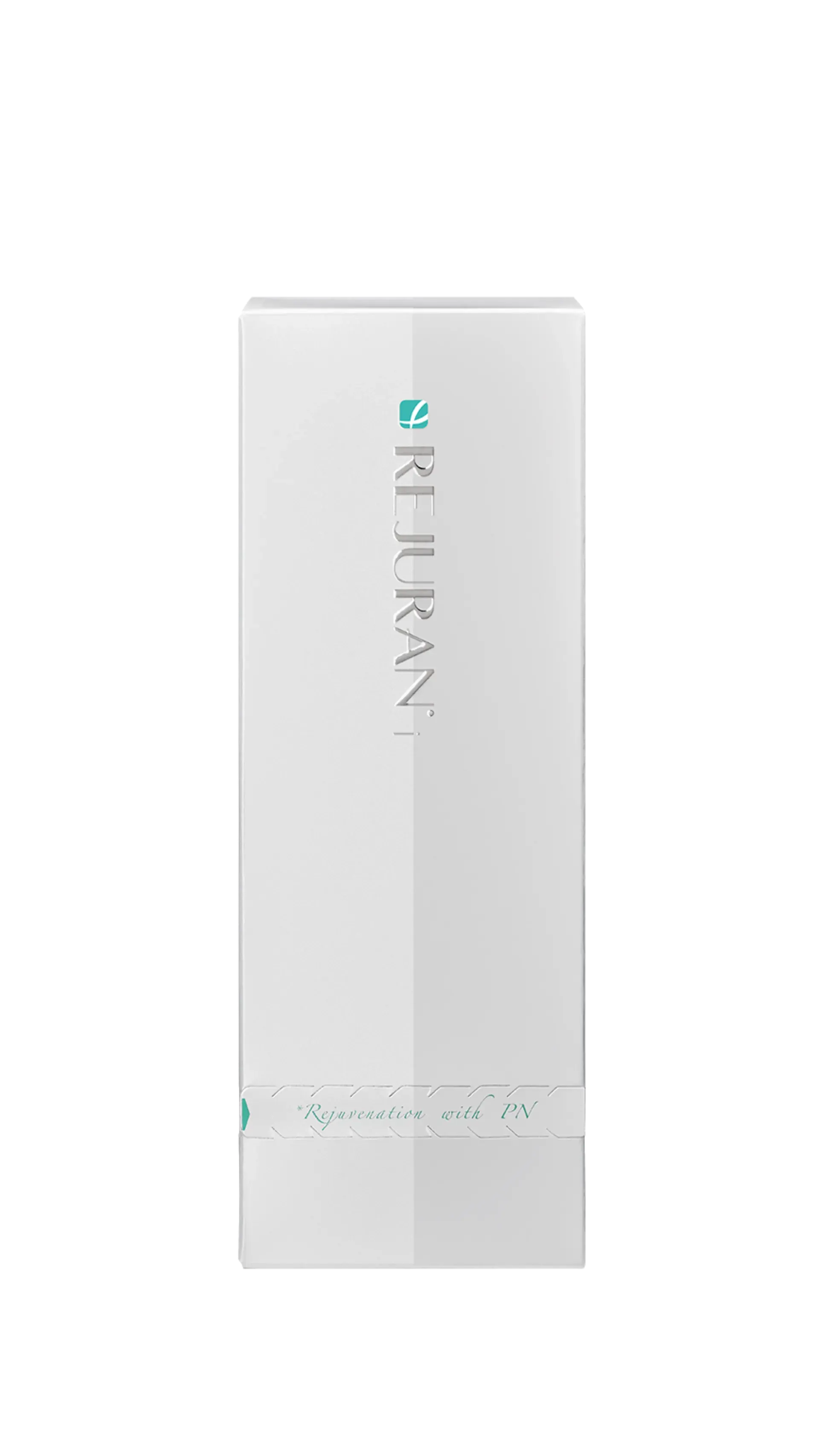
What to look for in a Seoul Rejuran clinic
A Rejuran protocol — the kind that justifies the airfare to Seoul — rests on three quiet variables that the brochure copy rarely makes explicit. The first is depth: polydeoxyribonucleotide reads best when delivered to the mid-dermis rather than the superficial dermis, and a senior injector adjusts the needle angle and depth across the face zones accordingly; superficial injection produces visible papules that linger longer than they should. The second is product version: the better houses distinguish between Rejuran Healer, Rejuran I, and Rejuran HB — the indications differ across periorbital, full-face, and hydration-led use cases, and a coordinator who reads the difference matters more than the lobby finish. The third is session cadence: most foreign patients are sold a three-session programme at three-week intervals, but the better Seoul practices treat that as a starting frame rather than a contract — they reassess at week four and revise. Korean medical law requires physician administration, which raises the floor for the city. What separates the nine houses below from the rest is what sits above that floor — written aftercare in the patient's own language, a coordinator who reads the case file before arrival, and a senior physician willing to defer a session when the first has done the work.
Lijin Clinic (Myeongdong)
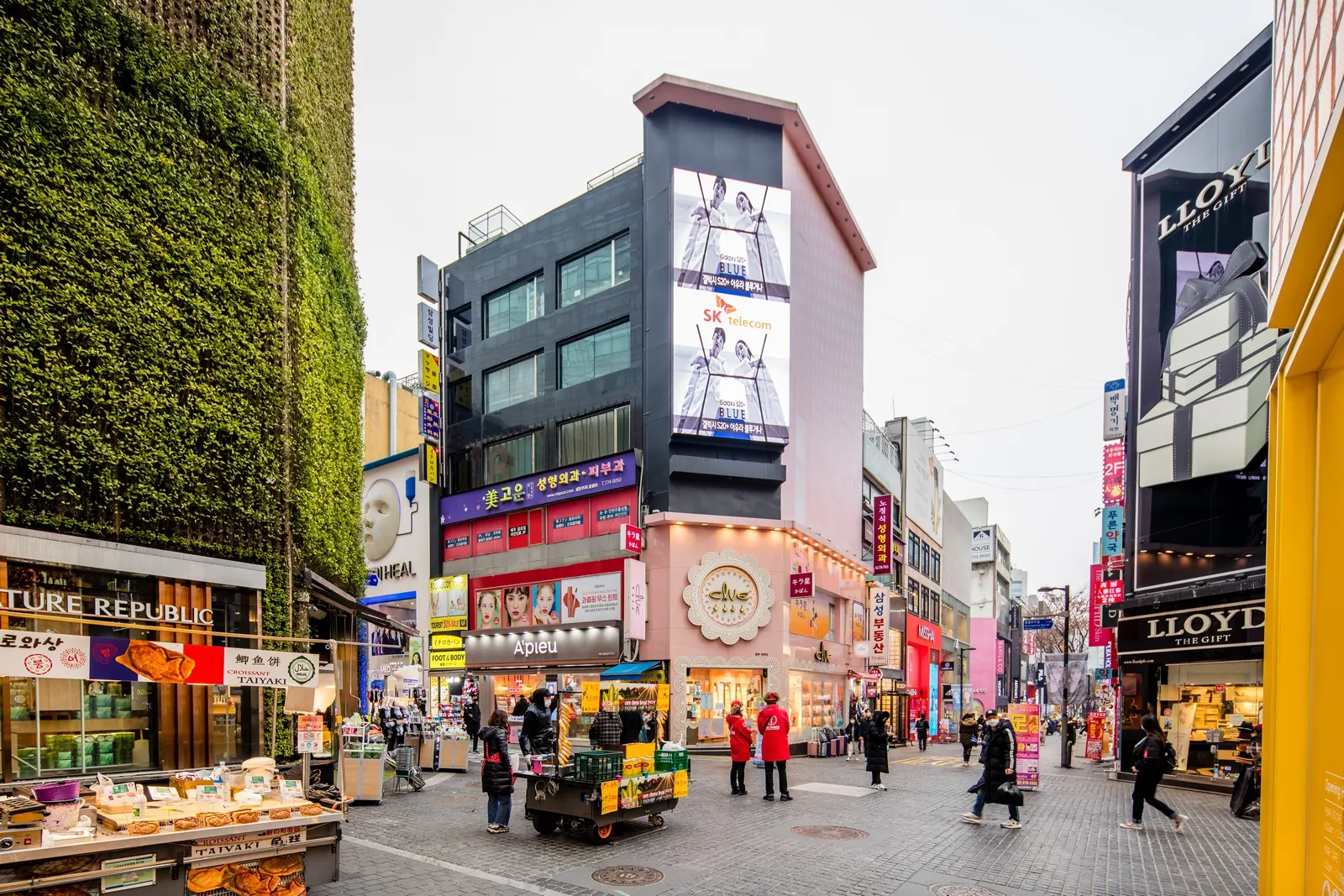
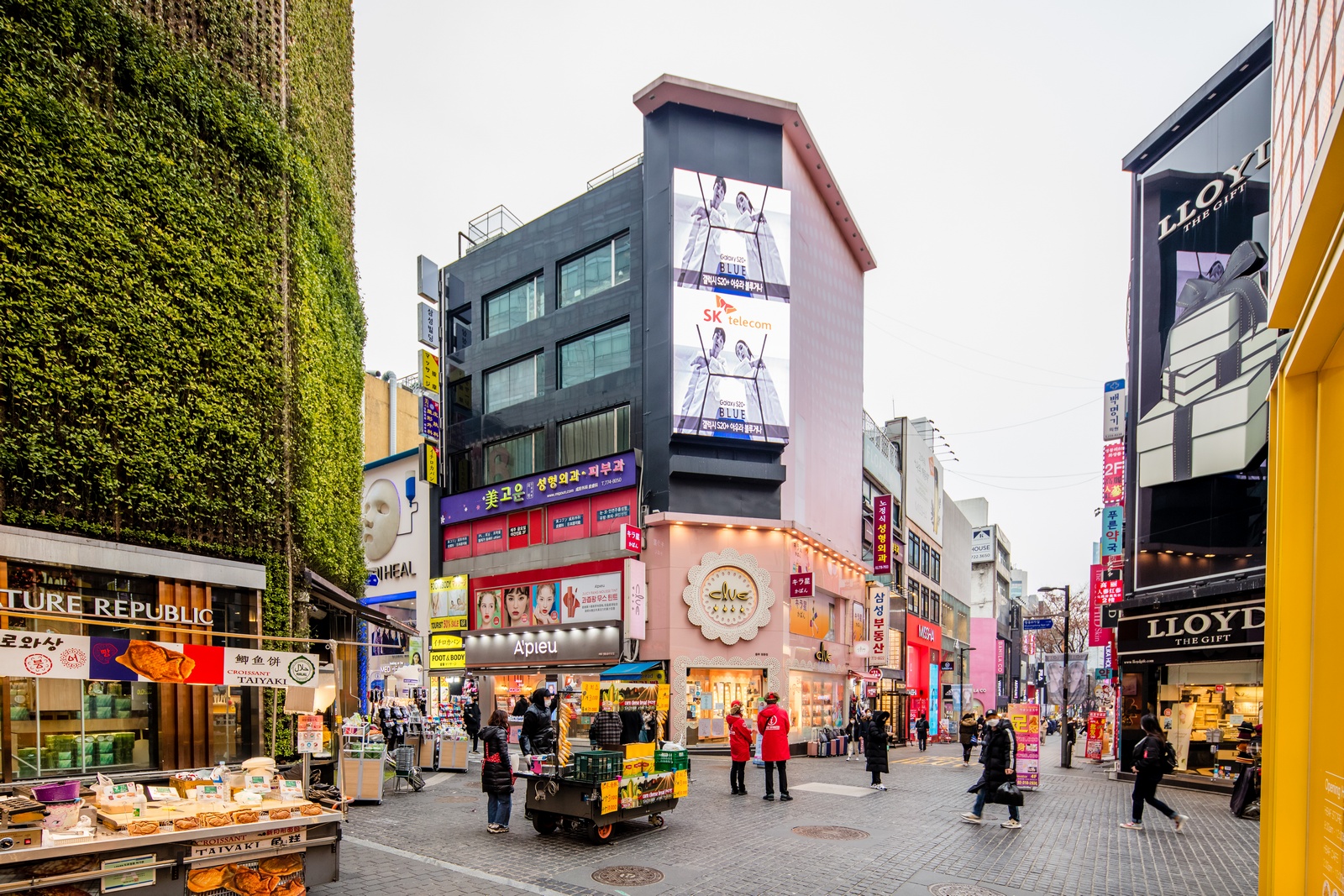
Lijin is a Myeongdong practice with international patient experience since 2011, led by a chief director carrying fifteen years of regenerative booster work. The operating temperament is long-form — longer consultations, fewer same-day add-ons, deliberate pacing through the booster regimen — and English-language coordinator support is built in.
Nine Seoul clinics worth a closer reading
What follows is editorial discovery, not a ranking. Each entry has been read for the texture of its practice — the consult, the operator, the aftercare cadence — rather than for marketing claim or device inventory. The order tracks an unhurried walk across the wider city, from Cheongdam through Myeongdong out to Hongdae; nothing more.
Re:Berry Skin Clinic (Gangnam) 💬
Re:Berry is a Cheongdam-Gangnam dermatology practice carrying an Advanced Regenerative Medicine Center designation under Korea's Ministry of Health and Welfare. Rejuran sits within a sequenced booster register paired with exosome work and lifting devices, and the book is heavy with returning international patients from the United States, Singapore, Hong Kong, and Japan — a follow-through pattern one reads into.
Kind Global Clinic (Myeongdong) 💬
Kind Global is a Myeongdong-gil flagship in central Jung-gu, sitting on the city's principal tourist corridor at street number 26. The practice runs a one-to-one personalised physician consultation model with private single-patient treatment rooms, and applies the same pricing for foreign and domestic patients — a transparency posture rather than tourist-tier mark-up that visiting patients should note in writing.
Jiwoo Skin Clinic (Gangnam) 💬
Jiwoo, operating also as VOS Dermatology, runs a four-doctor named roster — Kim Hoe-won, Im Kyung-suk, Kim Woo-hyeong, and Jin Kang-i — under Dr. Kim's twenty-plus-year tenure. The practice carries Korea Ministry of Justice designation as an Outstanding Medical Institution for Attracting Foreign Patients, and the clinic supports C-33 medical visa applications where appropriate.
Egg Clinic (Sinsa) 💬
Egg is a Cheongdam aesthetic dermatology practice staffed by eight board-certified doctors, with personalised anti-ageing programmes calibrated for an international caseload. Rejuran sits within a booster menu that emphasises sequenced rather than single-session work, with English-language consultation available and a peak-season booking lead time of two to three weeks one should plan for.
UMI Clinic (Myeongdong)
Umi is a Myeongdong-leaning K-Beauty dermatology practice operating under Doctor Jong Woo Yoon as named director. The clinic runs a broad device book — Ultherapy, Thermage, CO2, Fraxel, PicoSure, IPL — paired with skin-booster work including Rejuran, Sculptra, and PRP. The book serves a mixed local-and-international patient profile with English consultations on request.
Cellin Clinic (Myeongdong) 💬
Cellin Myeongdong is dermatologist-led under Medical Director Dr. Kyoung-min Min, a Seoul National University graduate carrying KASLS, KOAT, KALDAT, and KFERA society memberships. The clinic operates a tight device list — Ultherapy Prime, Thermage FLX, Onda, INMODE, Oligio, Shurink — with Rejuran Healer sitting as the senior booster within a lifting-led downtown menu.
Ever Skin Clinic (Apgujeong)
Ever is an Apgujeong board-certified dermatology practice recognised in the same year twice — June and November — among eight outstanding-satisfaction clinics chosen from one hundred and seventy-nine Gangnam clinics, the only dermatology house in that award cohort. Rejuran sits within a focused menu including Ultherapy lifting, dermal fillers, and exosome-based skin rejuvenation work.
Laurel Clinic (Cheongdam) 💬
Laurel is a Gangnam practice that runs Rejuran as one element of a three-layer booster regimen alongside NCTF135HA, Skinvive, and Juvelook. Director Dr. Joon-hyuk Hur, with over a decade of facial lifting experience, chairs the Korean Lifting Research Society. The clinic claims Korea's highest monthly Ultanium volume, which positions Rejuran inside a lifting-heavy operating framework.
What Rejuran treatment actually is
Rejuran is a polydeoxyribonucleotide skin booster derived from salmon DNA, manufactured by Pharma Research Bio in Korea and approved by the Korean Ministry of Food and Drug Safety (식품의약품안전처) as a medical device. Unlike filler, it does not displace volume on injection; unlike collagen biostimulators such as Sculptra or Juvelook, it acts through the adenosine A2A receptor pathway rather than polymer-microsphere collagen induction. The active fragments — extracted and purified from salmon testes — are short enough to be metabolised by the recipient dermis over six to twelve weeks, and the body responds by upregulating fibroblast activity, microvascular repair, and collagen and elastin synthesis around the injection sites. The aesthetic effect is gradual: improved dermal elasticity, refined surface texture, and a particular quality of skin reflectance one recognises as healthy without being able to name a single change. A typical first programme runs three sessions at three- to four-week intervals, with maintenance considered after six to nine months depending on patient response. The published Korean clinical literature on polynucleotide outcomes correlates strongly with injector technique, injection depth, and patient selection rather than with any specific brand adjunct. The result is undramatic, which is, in this register, the highest compliment one can pay a regenerative injectable.
How the nine Seoul clinics compare
What follows is categorical positioning — not a ranked recommendation. Re:Berry's register is regenerative-led, with Rejuran folded into a wider booster-and-lifting programme tailored to returning international patients on sequenced multi-trip schedules. Kind Global reads as a Myeongdong-corridor downtown practice with a 1:1 physician consultation model and private treatment rooms — the consideration here is whether the patient prefers a downtown register with same-pricing transparency over a Gangnam-suite operation. Jiwoo (VOS) is the four-doctor recognised house, with Ministry of Justice designation as an Outstanding Medical Institution and C-33 visa support that suits longer travel windows. a leading regional regenerative practice is the Hongdae-the regional anchorKHIDI-registered house, with multilingual care across four languages and a Japan-Taiwan-Thailand caseload that recommends it for visitors arriving from that corridor. Egg Cheongdam is the eight-doctor anti-ageing programme house, with peak-season booking lead times of two to three weeks one should plan around. Umi reads as the K-Beauty broad-device practice under a named director with Rejuran inside a sequenced injectables menu. Cellin Myeongdong is the SNU-credentialled lifting-and-booster Myeongdong operation with a tight six-device list. Ever Apgujeong is the awards-recognised board-certified dermatology house, recognised twice within a single year among Gangnam outstanding-satisfaction clinics. Laurel is the high-throughput three-layer-booster Gangnam practice claiming Korea's highest monthly Ultanium volume. One chooses on temperament — Hongdae versus Myeongdong versus Cheongdam — not on tier.
How I'd choose between these nine clinics
In my reading, the choice rests less on the brochure than on three quiet variables: who actually performs the injection, whether the Rejuran version (Healer, I, or HB) is selected by indication or by counter availability, and whether the follow-up review at week four is scheduled before the patient leaves the lobby. Studies suggest polynucleotide outcomes correlate more closely with injector seniority and injection depth than with any specific device adjunct, which makes the named injector the variable to verify rather than assume. For international patients, multilingual aftercare — the kind handled by a coordinator who has read the case file before the patient lands rather than after — is, in my reading, the variable that separates a competent practice from a memorable one, more reliably than the lobby finish or the device inventory. If one's travel window is four to seven days, the houses with structured pre-arrival imaging and same-day senior consultation suit best; if one is resident in Seoul, the reservation-only and longitudinal practices reward the longer commitment and the multi-session register. The nine clinics above each meet a different brief — Hongdae versus Myeongdong versus Cheongdam — and one selects on temperament, on indication, and on whether the senior physician is willing to say, candidly, that the first session has already done the work and the second can wait.
How we read these clinics
This survey is editorial — not a ranked recommendation, and the reading is the reading rather than the brochure copy. We read each clinic's published materials, cross-referenced physician credentials against the Korean Medical Association registry where available, verified Ministry of Justice Outstanding Medical Institution designation and KHIDI registration through their published registers where the clinic claimed one, and assessed each practice on three dimensions: Rejuran version selection by indication rather than by counter availability, injector seniority disclosed in writing rather than implied through marketing copy, and the quality of structured aftercare promised before the patient transfers a deposit or commits to the travel window. We did not visit every clinic in person for this revision; some readings draw on coordinator conversations and returning-patient feedback we keep returning to for honest signal across the wider city corridor. The nine entries here are houses one might reasonably consider for Rejuran across Gangnam, Cheongdam, Apgujeong, Myeongdong, and Hongdae — not the only ones, and not the only defensible register one might choose. Where a commercial relationship exists with a featured house, the outbound or inline link carries rel="sponsored", and the editorial reading remains independent of that arrangement. We will revise this guide quarterly as practices change and as new houses earn a reading.
Frequently asked questions
What exactly is Rejuran, and how is it different from filler or biostimulator?
Rejuran is a polydeoxyribonucleotide skin booster derived from salmon DNA, manufactured by Pharma Research Bio in Korea and approved by the Korean Ministry of Food and Drug Safety as a medical device. Unlike filler, it does not displace volume on injection; unlike collagen biostimulators such as Sculptra or Juvelook, it acts through the adenosine A2A receptor pathway rather than polymer-microsphere collagen induction. The visible effect emerges over six to twelve weeks as improved elasticity and textural refinement.
Which Rejuran version should I choose — Healer, I, or HB?
Rejuran Healer is the broadest indication, used for full-face regeneration; Rejuran I is calibrated for periorbital and thin-skin zones; Rejuran HB combines polynucleotide with hyaluronic acid for hydration-led work. The selection is indication-led rather than preference-led, and the better Seoul houses will recommend version by case rather than letting the patient pick.
How many sessions does a typical Rejuran programme require?
Three sessions at three-to-four-week intervals is the standard first course in Korean clinical practice, with maintenance considered after six to nine months depending on patient response. A senior operator should reassess at week four rather than commit a patient to a fixed package, and the willingness to defer a session is, in our reading, a meaningful signal of consultation depth.
What downtime should I plan for after Rejuran?
Most patients see mild redness and small injection-point papules for one to three days, with occasional bruising in patients on aspirin, fish oil, or vitamin E. There are no incisions, no general anaesthesia, no bandages. Same-day dining is reasonable; vigorous exercise and saunas are typically deferred for forty-eight hours.
Is Rejuran safe for darker skin phototypes?
Studies suggest polydeoxyribonucleotide is well-tolerated across Fitzpatrick types I through VI when injected at appropriate mid-dermal depth. The risk that varies by phototype is post-inflammatory hyperpigmentation if technique is poor — which is why an experienced injector matters more than the product version on the menu.
How should I judge Rejuran pricing in Seoul?
A single Rejuran session in Seoul typically ranges from KRW 300,000 to KRW 700,000 depending on product version, syringe count, and clinic register. Materially higher prices are not necessarily materially better outcomes; materially lower ones often signal compromise on either operator seniority or product authenticity. Transparent pricing in writing, before booking, is non-negotiable in our reading.
Can Rejuran be combined with lifting devices?
Yes, and most of the nine clinics above do this routinely — Ultherapy Prime, Sofwave, Thermage FLX, or Onda paired with Rejuran is a common combination, typically sequenced across separate visits rather than stacked in one session. The order matters; the senior operator should plan it rather than improvise on the day.
What credentials should I check on the Rejuran injector?
Korean medical licensure verifiable through the Korean Medical Association, aesthetic or dermatological experience demonstrable in years rather than weeks, and — for non-Korean patients — a coordinator who can translate clinical nuance rather than only appointment times. Board-certification in dermatology or plastic surgery is a useful signal but not a sufficient one.
What are the realistic risks of Rejuran?
Persistent papules if injection is too superficial, transient redness or swelling, occasional post-inflammatory hyperpigmentation in darker phototypes, and rarely infection if aftercare is poor. Serious adverse events are uncommon when the procedure is physician-administered with regulated product, and Korean clinical practice has a mature safety record across a decade of routine use.
What do I need to know about visa and travel logistics for a Seoul trip?
Most visitors from the United States, Hong Kong, Singapore, Japan, and the European Union enter Korea on the standard ninety-day visa-waiver framework. No medical visa is required for the protocols described on this page; some clinics on this list can also support C-33 medical visa applications where appropriate. The Korea Health Industry Development Institute publishes the medical-tourism framework.
Who should not book Rejuran?
Patients with active skin infection at injection sites, recent oral isotretinoin within six months, unstable autoimmune conditions, or known hypersensitivity to salmon-derived polynucleotide. Pregnancy and breastfeeding are categorical contraindications in Korean clinical practice. Patients seeking a same-day volumising filler result should also reconsider — Rejuran is a slow-build regenerative booster, not a one-week solution.